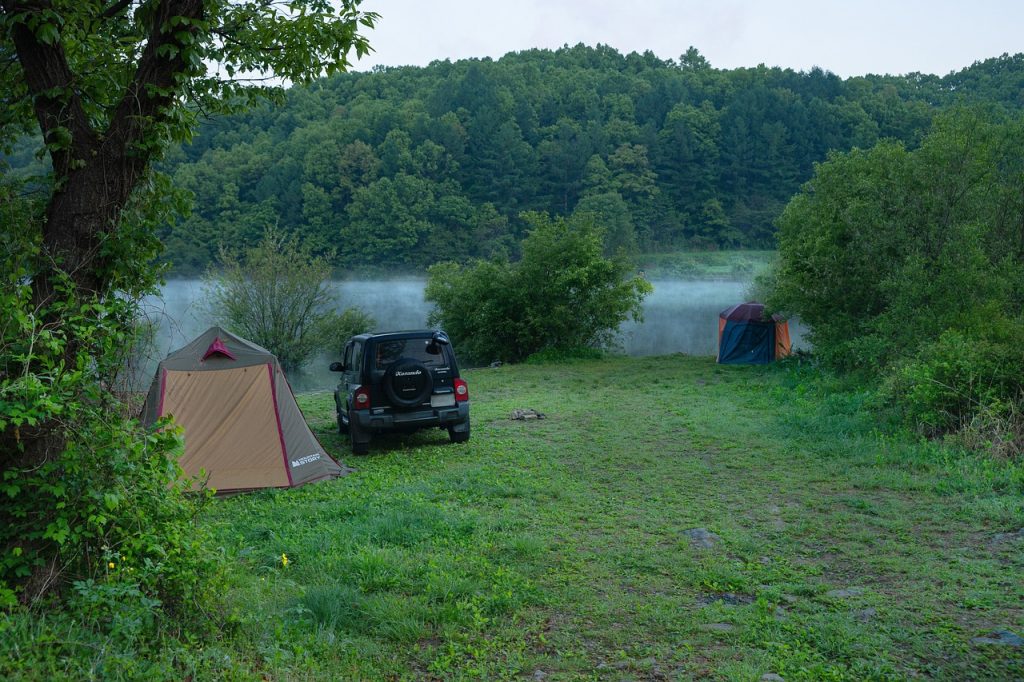
Green Camping Tips: How to Enjoy the Outdoors Without Harming It
We may earn money or products from the companies mentioned in this post.
Camping has always been about getting closer to nature, but in today’s world, it’s also about protecting it. With more people going green in their daily lives, why not carry that mindset into the wilderness, too?

Eco-friendly camping isn’t about giving up fun; it’s about being intentional, thoughtful, and leaving the places you visit just as beautiful (or better) than you found them. Here are a few green camping tips that both you and the planet will love.
Start With Smart Planning
Your eco-friendly trip begins long before you pitch your tent. Choose a campground or park that’s set up to handle visitors. Designated campsites protect fragile ecosystems and minimize damage to plants and wildlife.
Check whether reservations are required and always look at the weather forecast. No one wants to spend the weekend huddled in a soggy tent when a little planning could have helped.
If you’re bringing kids or pets, do a little extra research. Some campgrounds are super family-friendly, while others may not allow dogs or have the amenities you need, like showers. A quick call or website visit can save you stress later.
Pro green camping tips: always, always make a camping list. You’d be surprised how easy it is to forget basics like plates or matches. (True story: I once ended up eating dinner off flat rocks. It worked, but trust me, you don’t want to repeat it.)

Gear That’s Good for the Planet
When it comes to packing, reusable is the name of the game. Bring dishware, utensils, and cups that you can wash and use again rather than disposable items. A biodegradable soap like Burt’s Bees All-In-One Wash or Campmor’s multipurpose soap is a game-changer. It’s safe for dishes, your body, and the environment. Just remember to wash up at least 100–200 feet from streams or lakes so runoff doesn’t pollute the water.
Invest in LED flashlights or lanterns. They last longer, shine brighter, and use less energy. For an even greener choice, try crank-powered or solar options, so you won’t burn through batteries.
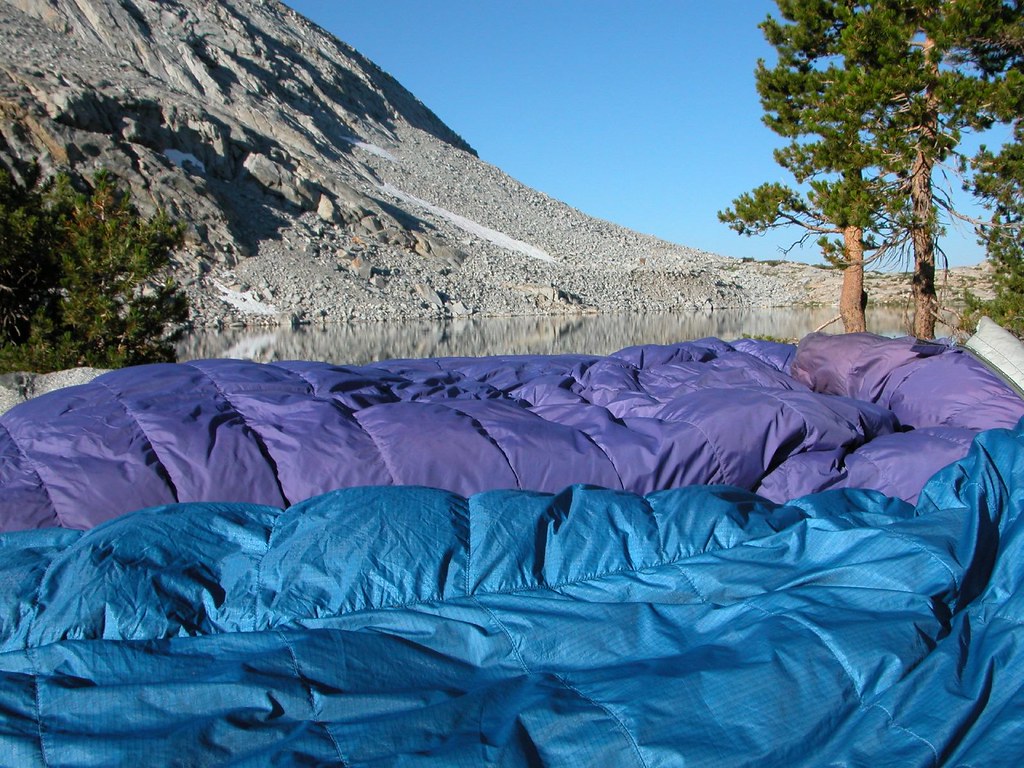
As for green camping tips regarding sleeping gear, look for tents and bags made from recycled or sustainable materials. They’re just as durable as traditional options but come with a lighter environmental footprint.
Food, Fires, and Cooking
One of the joys of camping is cooking outdoors, but it’s important to do it responsibly. Stick to designated fire rings or cleared areas and keep your fire small. Only burn fallen, dead wood. Never cut live branches. And please, never burn trash, plastics, or cans.
If you really want to minimize your impact, consider bringing a portable camp stove that runs on cleaner fuel or even solar power.
Store food in animal-proof bins if available, or hang it from a tree branch away from your site. This keeps critters safe and out of your cooler. Choosing foods that require little or no cooking can also help reduce your footprint. If you can, buy local produce and snacks before your trip. You’ll support nearby farmers while cutting down on packaging waste.
Respect the Trails and Wildlife
Trails exist for a reason. Sticking to them keeps delicate plants, flowers, and seedlings from being trampled. It also prevents erosion and habitat destruction. Off-trail wandering might feel adventurous, but it can do more damage than you realize.

When you do encounter wildlife, admire it from a distance. Feeding animals, even tossing a crust of bread, can alter their natural behaviors and make them dependent on humans.
If you’re hiking or camping with kids, this is a great teaching opportunity. Remind them that leaving things untouched means future visitors can enjoy them too.
Leave No Trace
The golden rule of eco-camping is simple: leave your campsite looking as if you were never there. That means packing out every bit of trash, from soda cans to cigarette butts. Items like diapers, tampons, and wipes are not biodegradable and need to be disposed of, no matter how inconvenient it feels.
For human waste, dig a hole at least six to ten inches deep, use biodegradable toilet paper, and cover it properly. Many outdoor stores sell lightweight trowels and waste kits that make this easier and cleaner.
If you see litter left by others, pick it up. It takes a few seconds, but collectively those small acts can make a huge difference.
Fun the Eco-Friendly Way

Camping isn’t about Netflix in a tent. It’s about disconnecting from screens and reconnecting with the natural world. Leave electronics at home, except for a phone for emergencies. Instead, try nature walks, stargazing, bird-watching, or photography. Bring a deck of cards or a journal if you want something to do by the fire.
Even your relaxation can be eco-friendly. Hammocks, yoga mats, or just a cozy blanket can help you enjoy nature in low-impact ways. And honestly, the less “stuff” you bring, the more you’ll notice and appreciate the beauty around you.
Final Thoughts on Green Camping Tips
Camping is one of the best ways to reset, recharge, and reconnect. Going green while you do it isn’t about perfection; it’s about awareness. From packing reusable dishes to sticking to trails, every small choice you make helps preserve these outdoor spaces for future generations.
So make your list, pack your biodegradable soap, and head out knowing you’ll not only have an amazing adventure but also leave the great outdoors just as magical as you found it.
Happy camping and happy planet!