Camping Meals in a Bag: The Low-Mess Way to Eat Well Outdoors
We may earn money or products from the companies mentioned in this post.
Have you ever rolled into camp, felt extremely proud of yourself for planning “taco night,” and then discovered the last thing you packed was… tortillas? The one ingredient tacos literally need to be tacos? Same.
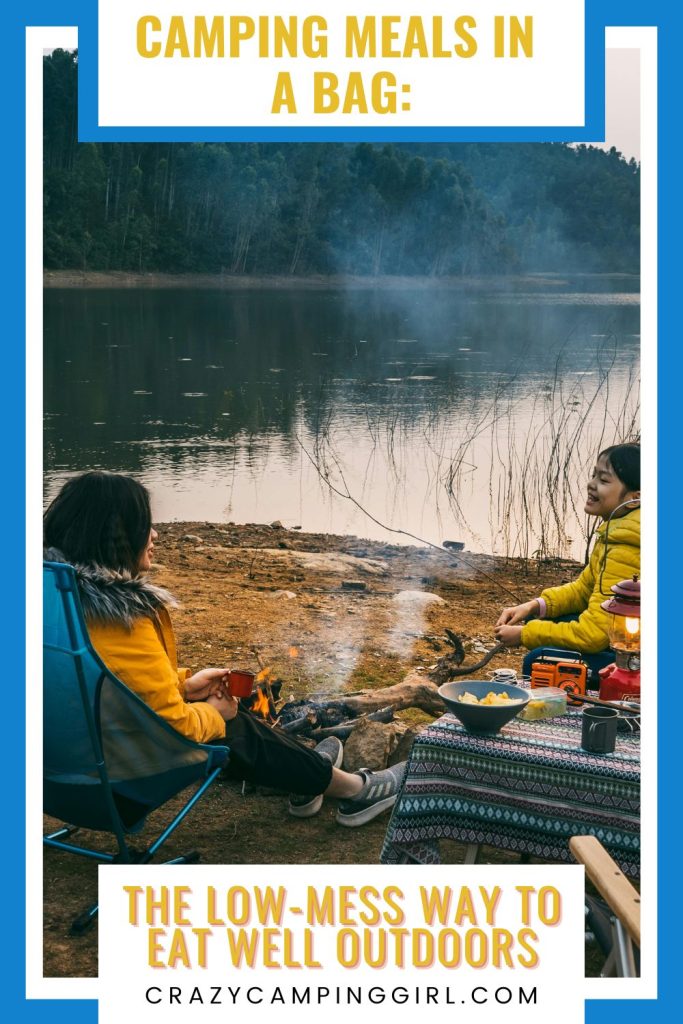
That exact moment is why camping meals in a bag are such a great way to eat well in the great outdoors without turning your food bin into a chaotic grocery store aisle. The idea is simple: one meal equals one bag. You prep at home, portion everything, and write quick directions right on the bag. Then, when you’re tired at the end of a long day—whether it’s a long day of hiking, swimming, or just wrangling the whole family—you’re not hunting for taco seasoning like it’s an escape room challenge. You’re just cooking dinner.
This system works for car camping, backpacking, and larger groups. It also makes camping meal prep feel less like a scavenger hunt and more like a smart little life hack. You’ll have fewer forgotten items, less trash floating around, easier access to what you need at lunch time, and way less mess. Consider it the difference between “camping is fun” and “why are we doing this again?”

Why Meals in a Bag Work So Well
Meals in a bag work because they act like tiny edible checklists. You think once, at home, while you’re still in your kitchen and not trying to remember measurements by headlamp. Then at camp, you coast. If you’ve ever stayed in hotel rooms on a trip and thought, “Wow, it’s nice not to do dishes,” this is your camping version of that feeling—without giving up the campfire.
It’s also good news for picky eater situations, because you can build in familiar favorites and simple “backup” options. And if you’re someone who likes emergency preparedness, this is basically food organization with benefits. Shelf-stable meals, longer shelf life, clear labels, and fewer “oops, we forgot” moments? Yes please.
The Simple System That Actually Saves Time
Here’s what makes this work: you pick a camping menu that matches your trip, then you build dinner bags, snack bags, and food bags the same way every time. When you repeat your system, you get faster, and your trips get easier.
Start with a realistic plan. If you’re camping two nights, you don’t need twelve different recipes and a gourmet breakfast spread. Your primary goal is to eat well, keep cleanup simple, and have a good time. Plan breakfasts, lunches, dinners, and snacks. Then portion each meal into its own freezer bag or reusable bag. If you’re doing freezer meals or ahead-of-time meals, those can be labeled and packed flat so they stack neatly in the cooler.
Write directly on the bag so “future you” doesn’t have to think. Add the cooking method, how much hot water you need, and any additional ingredients that are coming from the cooler. That one sentence on the bag can save your sanity after a long day of hiking or chasing kids around.
Grouping by day is the secret sauce. When Day 2 lunch is in one place and Day 2 dinner is right behind it, you stop digging. You stop over-opening the cooler. You stop losing your mind.
Choosing Meals That Match Your Setup
The best way to avoid frustration is to choose meals based on what you can actually cook.
If you’re car camping, you can bring a real stove system, a backpacking pot, a larger pan, and even an aluminum pan for easy cleanup. That opens the door to complete meal options like walking tacos, ramen noodles upgraded into something cozy, or a full meal with a side dish and fresh fruit.

If you’re backpacking, you’ll lean toward dehydrated backpacking meals, homemade instant meals, and instant recipes where you add hot water, wait, and eat. That’s where Mountain House and other dehydrated food brands shine as a great option, especially for convenience and a very long shelf life. But if you have a food dehydrator at home, you can absolutely make your own meals too—think dehydrated taco meat, veggies, or instant soup recipes that feel personal and taste better than you’d expect.
If it’s hot days and you don’t want to cook, you can go no-cook and still eat like a champion. That’s where trail mix, Kind bars, peanut butter packets, green onions for crunch, and quick proteins become your best friends. You can keep it simple and still feel like you ate real food.
Food Safety Without the Drama
Camping meals in a bag don’t magically remove food safety, but they make it easier to handle.
Cold items belong together, are sealed well, and are packed so they stay cold. Dry ingredients belong together in a pantry bag so you’re not constantly opening your cooler and losing cold air. Your “pantry bag” is where tortillas, ramen noodles, instant rice, snack bags, trail mix, peanut butter packets, and instant soup recipes live. Your cooler is where taco meat, cheese, chicken tenders, and any freezer meals live.
If you’re using raw meat, keep it sealed in a container inside the cooler so it doesn’t leak onto anything else. Nobody wants chicken juice on their waffle cone ingredients. And yes, I said waffle cone ingredients, because if you’ve ever brought cones camping, you know it’s chaotic joy.
And here’s one of my favorite low-key tricks: freeze what you can. Frozen meals and freezer bag items help your cooler stay cold longer, and they double as ice packs. It’s the best way to build a cooler that lasts through peak season weekends.
The Bag Meal Formula That Makes Everything Easier
A reliable meal bag usually has three parts: the main components, the seasonings, and the “add at camp” items.
For example, taco night becomes ridiculously easy when your dinner bag already contains the taco seasoning, chips for walking tacos, or tortillas, and any shelf-stable extras. Then the bag tells you to cook the taco meat, add hot water if needed to loosen the seasoning, and top with cheese from the cooler. You can even add green onions as your “look at me being fresh” move.
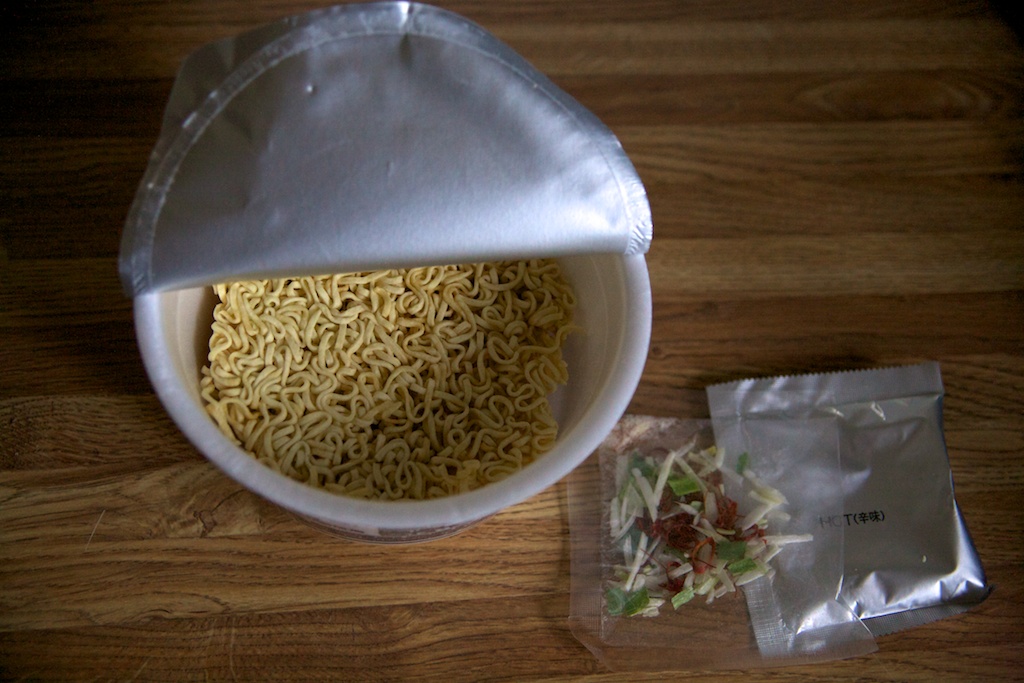
The same formula works for ramen noodles. Your bag can hold ramen, dehydrated veggies, seasoning add-ins, and a note that says “add an egg or leftover chicken tenders.” Suddenly, it’s not sad noodles—it’s a cozy bowl that feels like a reward at the end of a long day.
It also works for instant soup recipes. Put dry ingredients in the bag, label the amount of hot water needed, and you’ve got a warm-up meal that feels like you planned—because you did.
Meal Ideas That Don’t Feel Like Camp Struggle Food
Breakfast is where meal bags save mornings. If you’ve ever tried to make pancake batter while someone asks where the sunscreen is and another person is already eating snacks, you know. A bag that already has the dry ingredients measured out means you just add water and cook. You can do pancakes, or you can do delicious breakfasts like a French toast casserole if you’re car camping and willing to bake in an aluminum pan. That one feels fancy, feeds larger groups, and makes you look wildly competent.
Lunch time is easiest when it’s grab-and-go. Your lunch bags can be wraps, snacky combos, or “assemble at camp” bowls. Pack the shelf-stable parts in the bag, keep the cold stuff separate, and you’ve got easy access without turning your cooler into a daily rummage sale.
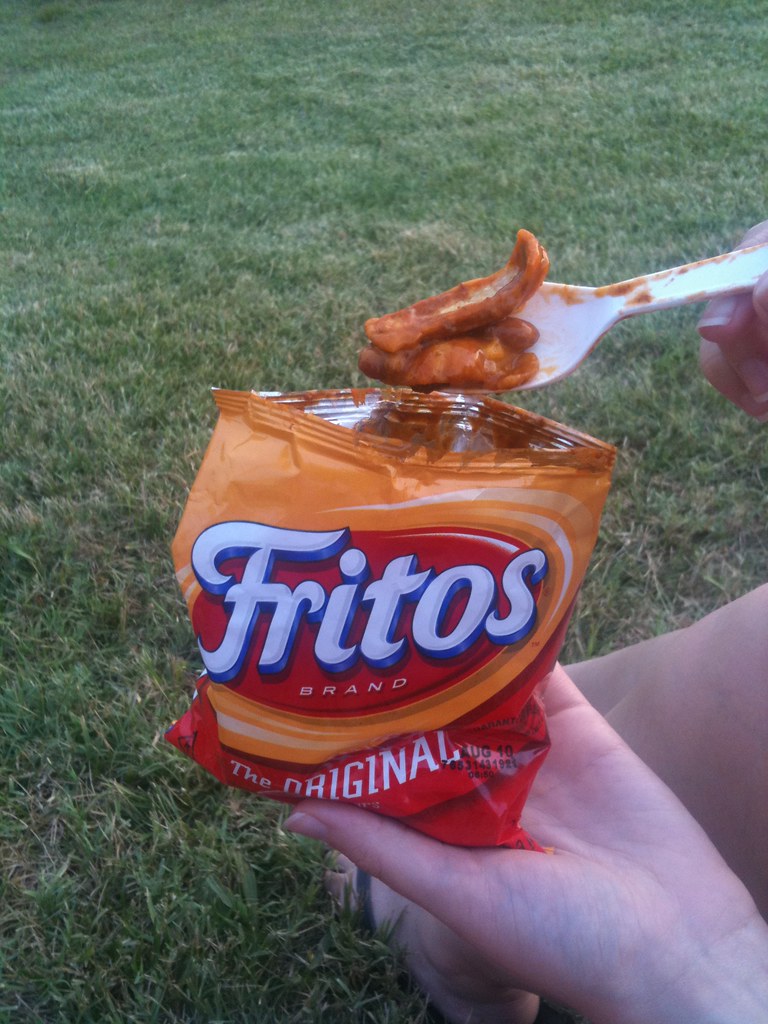
Dinner is where your system shines. Walking tacos are a crowd-pleaser, especially for the whole family. You can also do instant rice bowls, pasta nights, or “add hot water” options that feel like a complete meal without much cleanup. And if you’re dealing with a picky eater, you’ll be very happy you packed a familiar favorite meal as a backup—because camping is not the time to test someone’s relationship with curry.
The Camping Meals in a Bag Cleanup Tricks That Keep You Sane
Camping meals in a bag cut down on cleanup because you’re not dealing with half-used boxes and random open packets everywhere. But you still want a simple rhythm.
Cook, eat, then immediately put the trash back into the same bag the meal came in. It keeps your campsite clean and your food bag area under control. If you’re cooking with hot water, a small pot is your best friend, and wiping it out quickly after use is the best way to avoid scrubbing later. Hot water and a quick wipe are a great way to keep things moving.
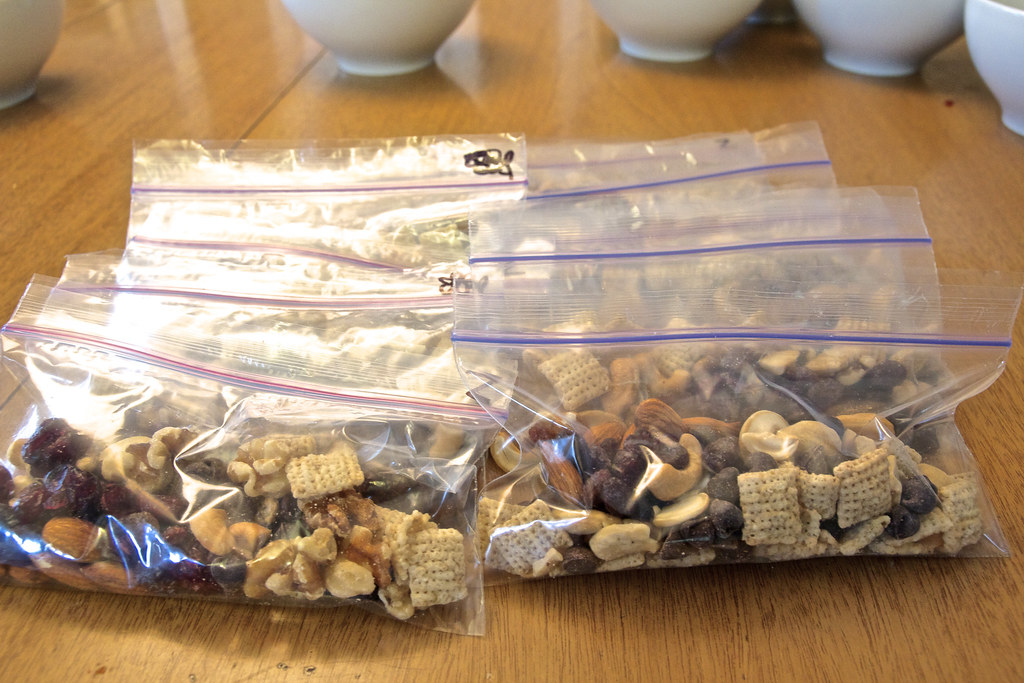
And if you’re packing snacks, put them in their own snack bag so you’re not constantly tearing into meal bags early. If you’ve ever stopped at a gas station “just for one snack” and somehow left with fifteen things, you already understand how quickly snacking can derail a plan.
One Last Thing Before Your Next Camping Trip
Start small. For your next trip, don’t try to create an entire new camping meal plan system overnight. Pick one day. Build breakfast, lunch, dinner, and snacks in bags. Label them clearly. Put them in order. Then enjoy the feeling of being able to feed people without turning it into a production.
Once you do it once, you’ll realize it’s not about being extra. It’s about making the next camping trip easier, calmer, and, honestly, more fun.
And that? That’s the whole point.