Homemade Survival Kits for Camping
We may earn money or products from the companies mentioned in this post.
Whether you are an experienced camper or just starting, the most important thing you need to take with you is a basic survival kit. Even if you plan on camping near civilization, you can never be too prepared in the event of an emergency.
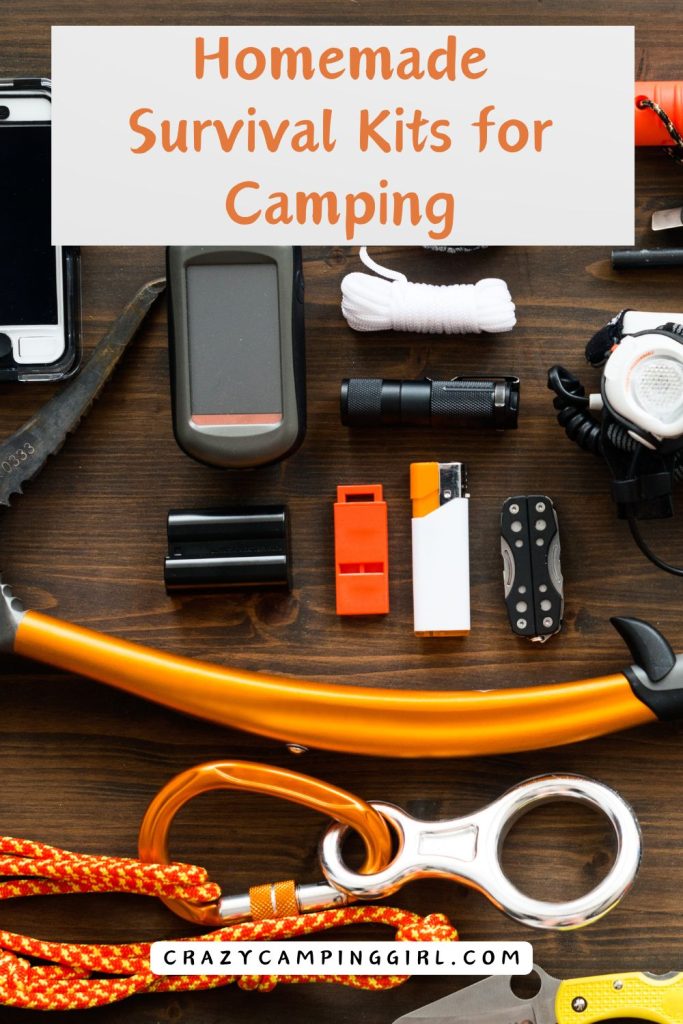
You can make your own homemade survival kits by considering items for first aid, food, shelter, climate, and rescue.
First Aid
According to a study published by the Wilderness Medical Society, which reviewed 10 years of injuries treated by Yosemite Search and Rescue, lower extremity injuries, dehydration, hunger, and low blood volume were the most common reasons people needed help. Other frequent injuries included broken arms, lacerations, burns, and allergic reactions to insect bites or plants.
Homemade survival kits should always include sterile gauze, bandages, medical tape, safety pins, and scissors for wound care. Add antibiotic ointment, ibuprofen, acetaminophen, antihistamines, ammonia, and burn ointment. A snake bite kit is also a smart addition and can easily be found at outdoor supply stores.
Food
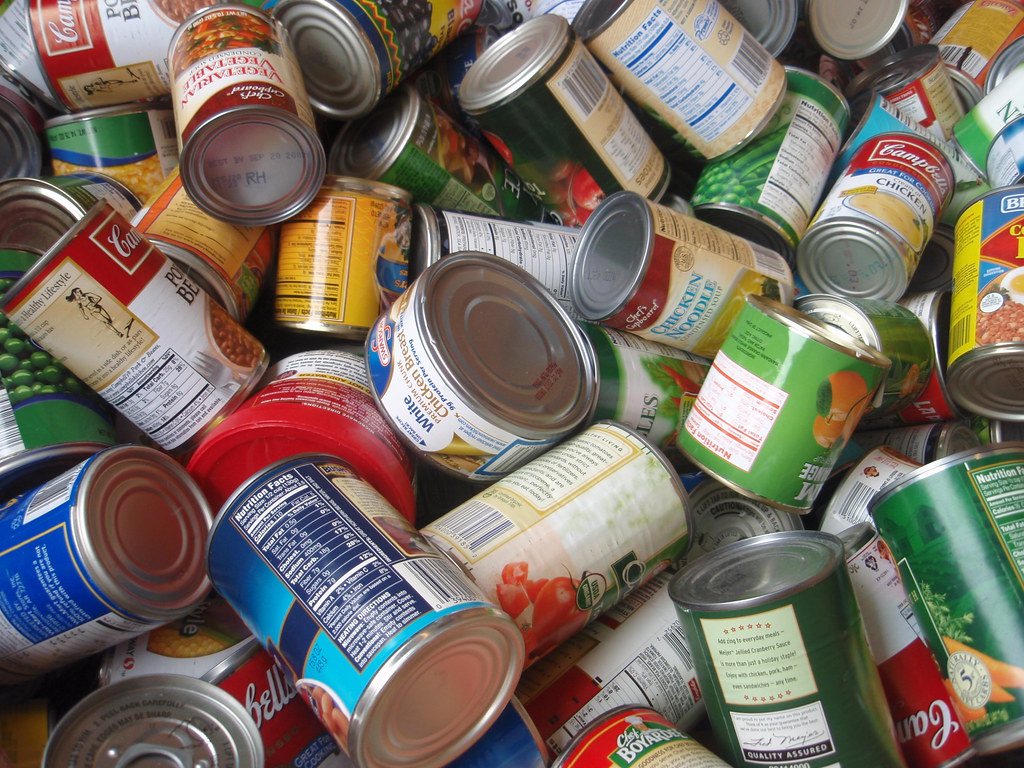
Nonperishable foods are essential. Dried meat, fruit, canned goods, water, and dried soup mixes are perfect additions. Many campers also keep special dried food packets on hand since they are lightweight and last much longer than grocery store versions. Replace any items every six months so your kit always stays fresh.
Shelter
If you are new to camping, you can buy emergency tents that are compact and easy to carry. More experienced campers may prefer packing a heavy-duty tarp and cord to make a shelter from scratch. The goal is to block the wind, stay dry, and insulate yourself. Invest in quality materials now so you are not stuck with flimsy gear when you actually need it.
Climate
Consider the season before heading out. For cold-weather trips, pack instant heat packets, extra blankets, and layered clothing. Store matches in a watertight container or waterproof them yourself by dipping the tips in melted wax.
In hot weather, keep electrolyte drink mixes in your kit along with salt packets to balance what your body loses while sweating. Staying hydrated is just as important as keeping cool.
Rescue
Signal gear should never be overlooked. Pack a medium-sized mirror and flares to help rescuers find you. A prepaid cell phone is another great backup in case your personal phone gets damaged. Coverage may not be perfect everywhere, but it is better to have a backup than nothing at all.
Preparing for Disasters
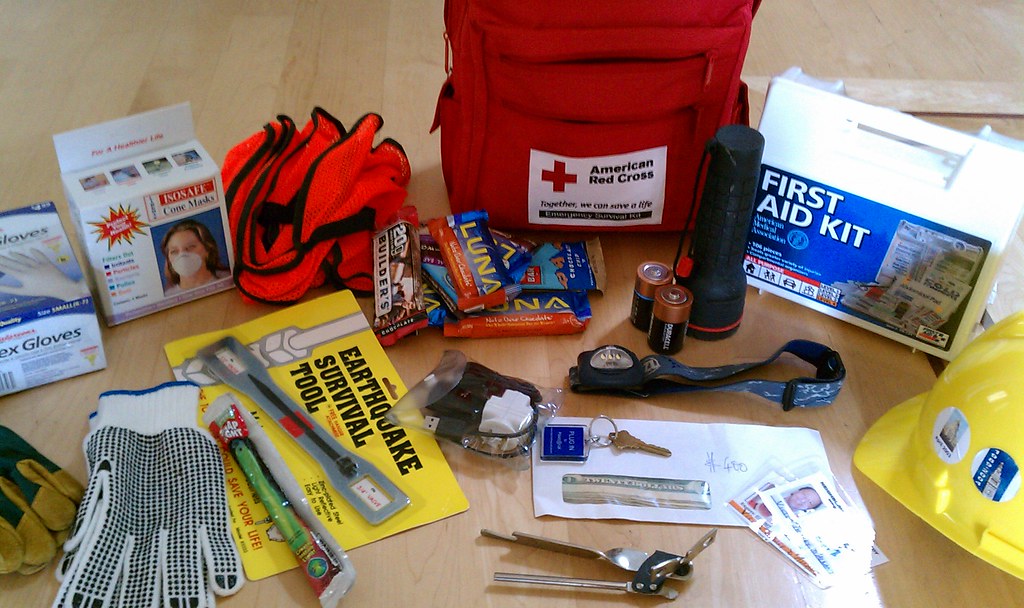
Homemade survival kits are not only for camping. Natural disasters like hurricanes, tornadoes, or earthquakes can leave you without power, water, or food for days. Your kit should always be portable, easy to grab, and ready to go if you need to evacuate.

Light Sources
LED glow rods are a good option since they run on long-life batteries and give bright, clear light. Kinetic flashlights are another alternative that works without batteries, though they are more expensive.
Warmth
Include blankets so each person in your family stays warm even in cold weather. Homes lose heat quickly when the power is out, so extra layers are important for both sheltering in place and evacuations.
Food and Water
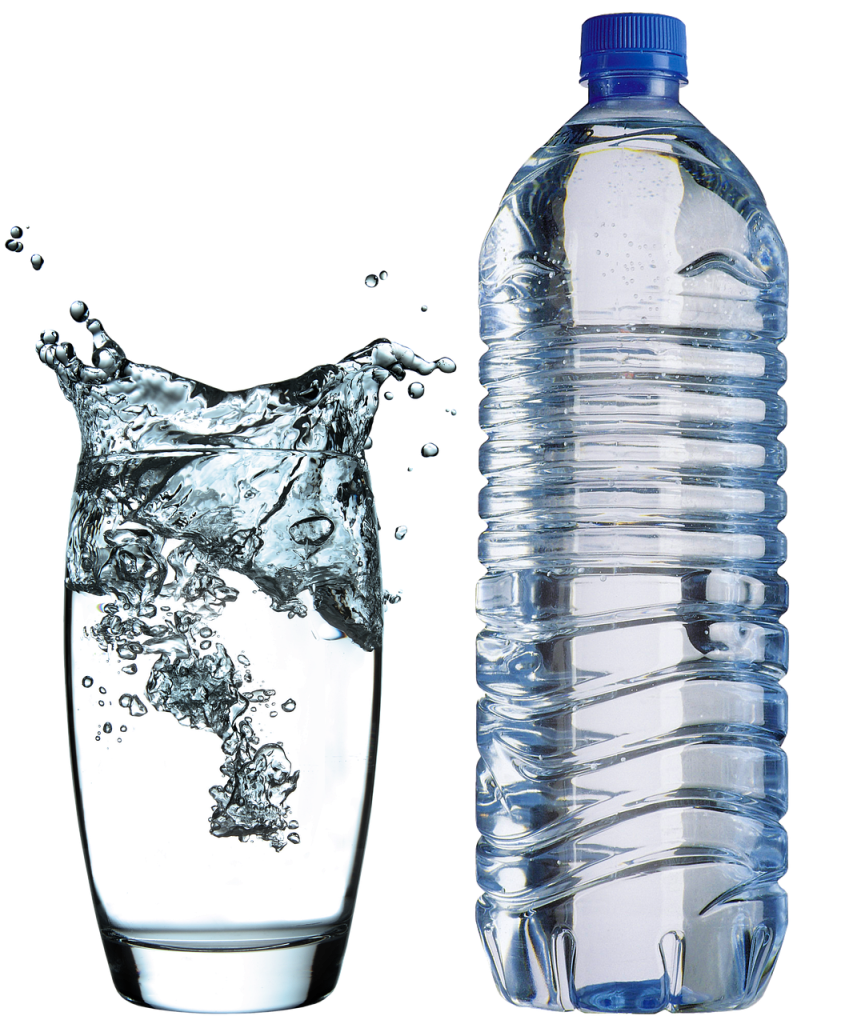
Stock nonperishable food such as cereal, crackers, peanut butter, or nuts. Military MREs are also excellent for long-term storage. Do not forget to drink water. One gallon per person per day is the recommended minimum.
First Aid
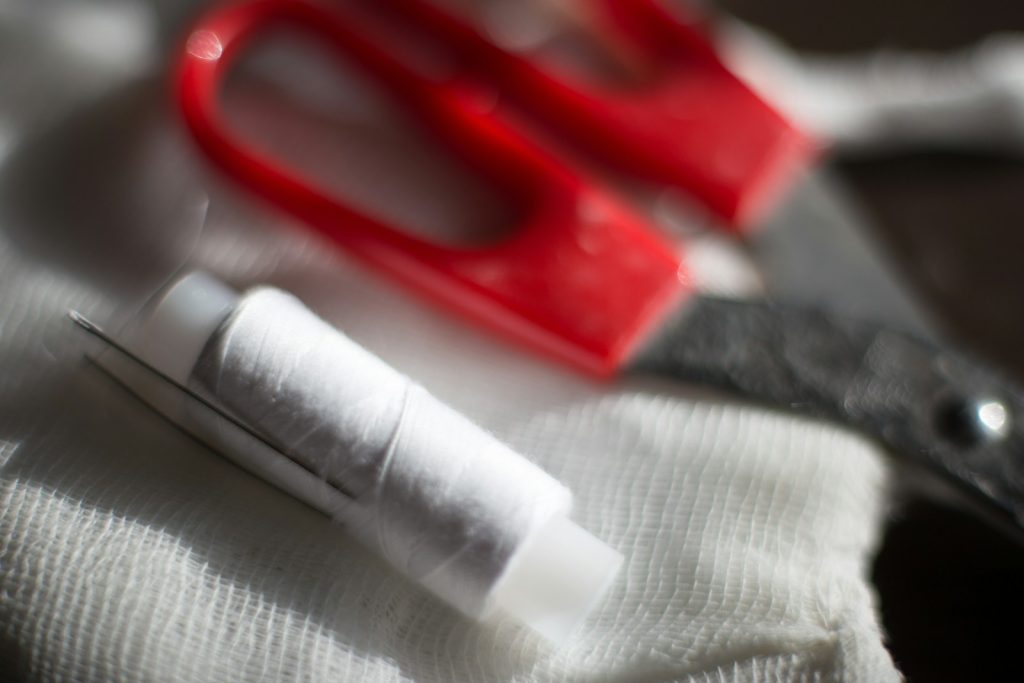
Your kit should have a complete first aid supply, including waterproof bandages, gauze, burn gel, antibiotic cream, iodine wipes, butterfly sutures, scissors, and splints. If possible, include spare prescriptions and emergency medications like inhalers, EpiPens, or insulin that do not require refrigeration.
Final Thoughts on Homemade Survival Kits for Camping
The best homemade survival kits are ones that you can rely on in many different situations. Choose waterproof containers, pack smart, and think through what your family will need. Many people also include copies of important documents and passports in their kits.
While you cannot prepare for everything, having a well-stocked survival kit will give you peace of mind that you can handle the unexpected.